

Buy New Zealand 20 Dollars Bills
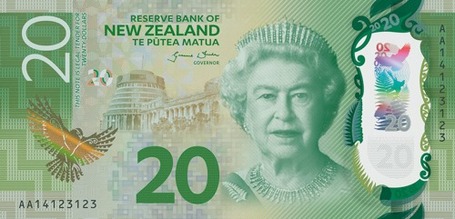
Before you board your flight to Aotearoa (New Zealand) or handle its vibrant currency, take a closer look at the New Zealand $20 note. It’s not just a piece of legal tender for a flat white or a souvenir; it’s a miniature canvas that tells a profound story of the nation’s unique biodiversity, revered Māori heritage, and royal history. This guide dives deep into the art, symbolism, and technology of the New Zealand 20 dollar bill.
1. The Faces of the $20: A Tale of Two Eras
The New Zealand $20 banknote uniquely bridges modern monarchy and indigenous leadership.
-
The Obverse (Front): Queen Elizabeth II – The fifth series “Brighter Money” notes feature a portrait of the late Queen Elizabeth II. This side represents New Zealand’s historical ties to the Commonwealth and its constitutional monarchy.
-
The Reverse (Back): Te Puea Hērangi – This is where the note’s soul resides. Dame Te Puea Hērangi (1883–1952) was a highly respected Māori leader from the Waikato region, known as the “Princess of the Māori People.” She was a pivotal figure in the Māori revival, opposing conscription during WWI and dedicating her life to social and cultural advancement, including the establishment of the Tūrangawaewae marae (meeting ground). Her inclusion celebrates the strength and influence of Māori women.
2. Symbolism in Nature: The Native Flora & Fauna
Every element on a New Zealand banknote is intentionally native. The $20 is a celebration of majestic birds and resilient plants.
-
The Kārearea (New Zealand Falcon): This fierce, native bird of prey symbolizes strength, independence, and clarity of vision—qualities embodied by both figures on the note. It is New Zealand’s only endemic falcon.
-
The NZ Fern: The distinctive silver fern (ponga) frond is a national emblem, representing new life, growth, and the spirit of the nation.
-
Mistletoe (Pikirangi): A native plant that graces the note with a splash of red, adding to the vibrant color scheme.
3. ” New Zealand 20 Dollars Bills Cutting-Edge Security Features
The current polymer $20 note is a marvel of security technology, making it one of the hardest currencies in the world to counterfeit.
-
Transparent Window: A clear, complex-shaped window with detailed embossing (like the denomination “20” and a fern frond).
-
Color-Changing Bird: Tilt the note, and the color of the large kārearea on the front will shift from green to blue.
-
Raised Print: You can feel the raised ink on the large “20,” the words “Reserve Bank of New Zealand,” and on Te Puea’s korowai (cloak).
-
Micro-Lettering: Under magnification, you’ll find tiny, clear text repeated in the transparent window.
-
Fluorescent Elements: Under UV light, the note glows with bright colors and reveals a hidden fern pattern.
4. Traveler’s Tips: Handling New Zealand 20 Dollars Bills
-
Common Uses: A $20 note is perfect for small purchases like a coffee and pastry, bus fares in cities, or entry to smaller museums.
-
Checking Authenticity: Familiarize yourself with the security features above. The feel of the durable polymer and the clear window are instant giveaways.
-
Where to Get Them: Obtain NZD from your local bank before you travel, at airport currency exchanges (often with higher fees), or from ATMs within New Zealand using your debit card.
5. Fun Fact: A Royal Transition
With the passing of Queen Elizabeth II, the Reserve Bank of New Zealand has confirmed that new currency designs featuring the new monarch, King Charles III, will be introduced. This means the current $20 note with Queen Elizabeth II will eventually become a collectible piece of modern history. It will remain legal tender indefinitely alongside any new designs.
The New Zealand $20 note is a pocket-sized tribute to the country’s identity. It honors a beloved monarch and an influential Māori leader, showcases its unique natural world, and protects its value with space-age technology. Next time you hold one, take a moment to appreciate this symbol of Aotearoa’s rich past and dynamic present.
| choose an option | $300, $600, $1000 |
|---|
Be the first to review “Buy New Zealand 20 Dollars Bills”
Related products

New Zealand dollar
New Zealand dollar
Reviews
There are no reviews yet.